The moment an internet user goes to a website, it only requires a fraction of a second to decide whether to continue. They feel, “Is this brand trustworthy?” or “Should I continue browsing or leave?”
Before a visitor even looks at a single word or sees a price, web design acts to affect how they decide invisibly. Studies point out how users build a first impression about a website in under a second.
That initial impression truly decides whether they will stay, explore, and in the end start a purchase. Simply put, web design is not simply “making things look nice.”
It is a powerful tool for trust, comfort, and conversion. In this post, experts explain how design affects customers’ decision-making at different points in their experience.
If you want the best website design company in dubai, focus on agencies that combine creativity, performance, and visible business results.
Key Insights
1.Studies show that people generally decide if a site is credible by its design quality. In fact, initial perception is made in just around 0.05 seconds.
2.Besides good looks, simple interfaces combined with fast and reliable loading times are key elements that help increase the number of your site users who become your customers.
3.Elements like nice-looking visuals, colors, and photos give customers an idea of the level of your product quality as well as the degree of brand professionalism.
4.Final buying decisions are influenced by a range of psychological triggers. Among these are social validation, scarcity, and very clearly communicated calls-to-action.
Table of Contents
ToggleWhy Web Design Matters So Much in Decisions
Before a normal user weighs the features with prices of a number of products, they are indirectly wondering, “Can I trust this website, and will I be happy using it?” A sleek design screams that the company is professional, efficient, and dependable.
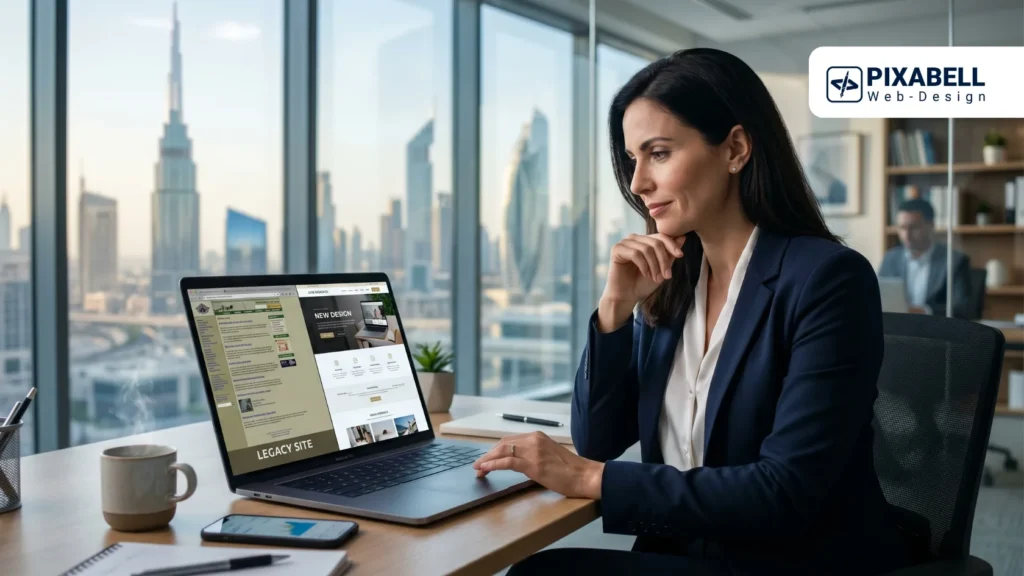
A messy or old-fashioned design will easily convey the opposite. Online shopping studies reveal that the interface designs have a huge influence on how users view the quality of the product.
A carefully planned combination of hierarchy, spacing, and contrast can facilitate the user’s attention being drawn to the main things. Some are product snapshots with pros and calls to action.
Performance-Focused Design vs. Aesthetic-Heavy Design
Just like trying to pick between car wheels that focus on performance or rolling in style, businesses think about two design objectives. They are fast with an easy user experience, and visually appealing, but feature-rich design.
Performance-oriented web design features reactivity and clarity rather than stuffing the layout with superfluous items and complicated navigation.
A design that is heavy on aesthetics will go for the use of strong images, animations, and intricately designed layouts so as to create a feeling of exclusiveness.
When properly executed, the performance design will practically make the user interaction seamless. The loading of the page is not only fast, but the navigation is so straightforward that arriving at a product, service, or contact form takes just a few clicks.
Conversely, a well-designed visual may be the reason for a site being remembered, express the character of the brand, and support higher pricing. This is especially true for luxury, lifestyle, and high-end tech brands.
Every brand shall partner with the best website design company to strengthen its online presence and make its website look professional, load fast, and convert visitors into customers.
| Aspect | Performance-Focused Design | Aesthetic-Heavy Design |
| Page speed | Loads very quickly, reduces bounce rate | May slow down if visuals are heavy |
| Navigation | Simple menus, clear paths to key actions | Can be less obvious if layout is complex |
| First impression | Feels clean, efficient, and easy to use | Feels premium, memorable, and emotionally engaging |
| Mobile experience | Usually highly optimized for all screen sizes | Can break or feel crowded if not carefully implemented |
| Impact on decisions | Builds confidence through ease and clarity, boosts conversions | Builds desire and perceived value, supports premium positioning |
Crucial Design Elements That Influence Customer Choices
Once a new impression has been set, multiple design elements, often unnoticeable, can truly influence the way web users think of and behave on your website.
Layout and Navigation.
A well-created and easily working layout steers web users to promptly get the answer to “Where should I click next?”
Putting out clear menus, good navigation, and setting up similar page layouts keeps customers from being irritated and makes them stay longer on your website.
Customers who can effortlessly locate their desired product will most likely proceed to compare, add to cart, or even contact the sellers.
Visuals, Colors, and Typography.
Using professional-looking photos, sticking to a predetermined color scheme, and choosing easy-to-read fonts are great ways. They help communicate the quality of the products and the company to the visitors.
It is well-known that luxury brands utilize clean layouts, lots of white space, and very elegant colors mainly because they want to create an atmosphere of sophistication, which then justifies the higher prices.
Mobile Responsiveness.
Most of the visitors come from their phones, and each user expects to have a pleasant experience regardless of the gadget they use.
Mobile-friendly websites enjoy greater engagement and purchase intent. Responsive design that modifies how a layout, button, or font looks to a screen size is now considered a direct influence on the decision to buy.
How Web Design Guides the Final Conversion
When customers are making a final purchase decision, like pressing the “Buy Now”, “Book a Call”, or “Get a Quote” button, small design changes can make a huge impact.
Well-structured and visually clear call-to-action buttons that are placed at the right spots not only help in eliminating the hesitation of the user about the next step but also increase the probability of clicking them.
Shorter forms with relatively fewer fields and good logical arrangements matter. Along with comforting microcopy, sites are perceived as safer.
Customers are less likely to shift their liking if the button styles, fonts, colors, and messages are consistent. They should be kept that way from the landing page to the checkout.
Businesses that allocate resources to such conversion-oriented designs normally see higher site dwell times, greater lead generation, and better revenues over a period of time.
Investing in the best ecommerce website design supports trust and products, and makes the buying steps easy on any device.
Where to Start If You Want Design That Drives Decisions
If the aim is to target customer decisions, start understanding what users truly want from your site. They might want to research, compare, book, or buy, so shape the design around those tasks.
If you are ready to turn your website into a 24/7 sales engine instead of a pretty online brochure, work with Pixabell to build a high-converting web design.
At Pixabell, custom websites, UX, and SEO come together to create digital experiences that attract the right visitors and turn them into loyal customers.
FAQs
Common Questions
How does web design influence customer decisions?
Good web design helps with trust and friction issues. It even guides visitors smoothly toward their necessary action.
Why is mobile-friendly design truly important now?
Most people browse on phones, so a mobile-friendly site directly influences engagement and conversions.
Which elements should I prioritize to improve conversions?
Focus on fast loading, clear navigation, and strong visuals. Prominent and compelling calls-to-action also help.
Can professional web design really increase my sales?
Yes, a strategically designed website can powerfully boost leads, inquiries, and online-originating revenue.